Window blinds collect more than just dust. Grease from cooking, bathroom moisture, and daily use can leave them looking dirty even after a quick wipe. Cleaning them incorrectly can cause water stains, warped wood, or damage to blackout coatings.
How you clean your blinds and shades depends on their material and location in your home. Faux wood blinds can usually be wiped with a damp cloth, but cellular and fabric shades need gentler care. Using one method for all types can cause damage.
Read our expert guide breaking down how to clean blinds by style and location, tackling tough buildup in each room, and setting up an easy routine to keep your window coverings looking good.
How to Clean Your Window Blinds: A Step-by-Step Guide
Most blinds and shades can be cleaned while they hang, as long as you use the right tools and avoid pulling on the fabric or mechanism.
For regular cleaning, you just need a microfiber cloth, a vacuum with a soft brush, and a bit of patience. Follow these five steps to get rid of everyday dust and light buildup without taking down your blinds or shades.
Step 1. Prepare the Area
Move furniture and decorations away from the window so you have space to work. If you think dust or debris might fall, put a towel under the blinds.
Look over the slats, fabric, and mechanism for any visible damage before you start cleaning. If a blind is bent, torn, or hard to move, be gentle and avoid pulling on it while dusting.
Step 2. Position the Blinds for Cleaning
Lower roller, zebra, or cellular shades all the way down so the fabric is fully extended. This makes the surface easier to clean.
For horizontal blinds, close the slats in one direction to make a flat surface. After cleaning that side, turn the slats the other way to clean the other side.
Don’t force the slats or pull the shade past its normal position.
Step 3. Remove Loose Dust
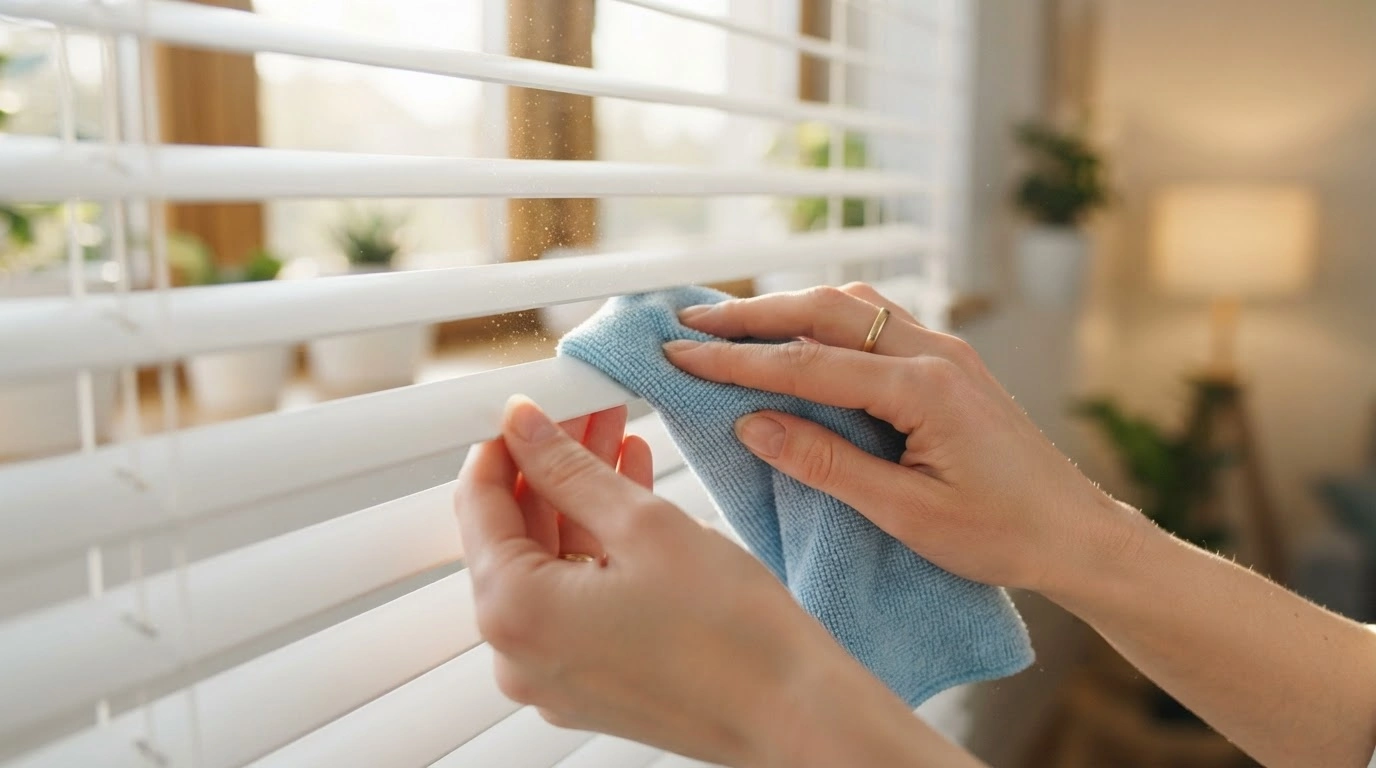
Begin at the top and work your way down with a dry microfiber cloth or a vacuum with a soft brush on low suction.
When cleaning horizontal blinds, hold each slat as you wipe to keep it from bending. Use a gentle touch on fabric shades, especially around pleats, seams, and sheer areas.
Removing loose dust before using any moisture keeps dirt from spreading and helps prevent streaks.
Step 4. Spot-Clean Stubborn Marks
If the manufacturer says damp cleaning is okay, slightly dampen a clean microfiber cloth with water or an approved cleaner. Gently blot the spot without soaking the material.
For washable vinyl or faux wood slats, use a mild soap solution to clean fingerprints and light residue. Wipe off any leftover soap with a separate damp cloth, then dry the surface.
Don’t put cleaning products directly on the headrail, cords, motor housing, or battery compartment. Some fabric shades with special coatings may need dry cleaning only.
Step 5. Let the Blinds Dry Before Using Them
After damp cleaning, keep the blinds or shades fully extended until they are completely dry. Rolling up damp fabric can trap moisture and cause stains or bad smells.
Check the bottom rail and any hardware for leftover moisture before using the blinds.
Once everything is dry, gently raise and lower the blinds to make sure they move smoothly. If the fabric rolls unevenly or the mechanism sticks, don’t force it. You might need a mechanical fix instead of more cleaning.
How to Clean Different Types of Blinds and Shades
Different window coverings need different cleaning methods, even if they look alike. The safest way depends on the material, fabric coating, and how each product is made.
Use this quick comparison table to choose the right care routine before reading the detailed expert recommendations below on how to clean blinds and shades.
| Curtain and Blind Types | Best cleaning use-case | Potential precautions |
| Roller and blackout shades | Gentle dusting or low-suction vacuuming | Check fabric care instructions before using water |
| Zebra blinds | Light dusting with a soft brush or microfiber cloth | Avoid pulling or scrubbing the sheer fabric |
| Cellular shades | Soft-brush vacuuming and gentle air cleaning where permitted | Avoid crushing pleats or saturating the cells |
| Faux wood and vinyl blinds | Microfiber dusting and approved damp wiping | Keep moisture away from the headrail and hardware |
| Real wood blinds | Dry microfiber dusting | Avoid soaking or prolonged contact with water |
How to Clean Roller and Blackout Shades
Lower the shade all the way and use a vacuum with a soft brush on low suction to remove loose dust. Clean gently across the fabric without stretching it or pressing on the roller.
If you see a stain, check the manufacturer's instructions before using water. Some fabrics can be spot cleaned with a damp cloth, but others need dry cleaning.
Blackout shades need extra care because their light-blocking ability often comes from a special coating or backing. Scrubbing hard, using solvents, or too much moisture can damage these layers or leave marks.
If damp cleaning is allowed, gently blot the spot and keep the shade fully extended until it dries.
How to Clean Zebra Blinds
Zebra blinds have alternating sheer and solid fabric bands that slide past each other to control light and privacy. Because of their layers, they are more delicate to clean than hard-slat blinds.
Lower the shade and use a soft brush or vacuum on low suction to remove dust. Clean the fabric gently and support it as needed to avoid pulling or stretching.
Be careful with the sheer sections, as they can snag or lose shape if rubbed too hard. If there’s a stain, follow the manufacturer's cleaning instructions instead of using a household stain remover.
Don’t spray cleaning solutions directly on the blind, since moisture can get trapped between the fabric layers or leave water marks.
How to Clean Cellular Shades
Cellular shades have a honeycomb design that can trap dust and small insects inside the cells.
Start by lowering the shade and gently vacuuming the fabric with a soft brush. Use low suction to avoid pulling the fabric or crushing the pleats.
If dust or insects are stuck inside the cells, some manufacturers suggest using a hair dryer on a cool, low setting to blow them out through the open ends. Always check the care instructions first and avoid using heat or strong air.
You may be able to spot clean some cellular fabrics, but too much moisture can cause water stains, ruin the pleats, or damage the glue inside. Never soak or submerge cellular shades unless the manufacturer says it’s okay.
How to Clean Faux Wood and Vinyl Blinds
Faux wood and vinyl blinds can usually handle more moisture than fabric or real wood, so they work well in kitchens and bathrooms. Still, be careful with their finishes and hardware.
Close the slats and wipe off loose dust with a microfiber cloth. Then turn the slats the other way to clean the other side.
If the slats are washable and have fingerprints or sticky spots, wipe each one with a damp cloth and mild soap approved for the material. Hold the slat with your other hand to keep it from bending or stressing the cords.
Wipe off any leftover soap with a clean damp cloth, then dry the slats well. Don’t let water get into the headrail or gather around metal parts.
How to Clean Real Wood Blinds
Real wood blinds need gentle care because too much moisture can damage the finish and make the slats swell or warp.
Use a dry microfiber cloth or soft brush to remove dust, wiping along each slat. Hold the slats as you clean to keep them from bending or damaging the mechanism.
For fingerprints or tough marks, check the manufacturer's instructions for your wood finish. Some allow spot cleaning with a barely damp cloth, while others need dry cleaning only.
Don’t soak wooden slats, use steam cleaners, or apply furniture polish unless the manufacturer says it’s okay. These can damage the finish or leave residue that attracts more dust.
How to Keep Blinds Clean in Every Room of Your Home
Blinds in a bedroom need different care than those above a kitchen sink or near a bathroom shower. Dust might be the main issue in one room, while grease, moisture, or pet hair are bigger problems elsewhere. Changing your cleaning routine for each space helps prevent buildup and makes cleaning easier.
Kitchen Window Blinds Cleaning Routine
Kitchen blinds pick up cooking grease from the air, which mixes with dust and forms a sticky layer on the slats. This is especially common on blinds near the stove.
- For washable vinyl or faux wood blinds, dust them first, then wipe the slats with a microfiber cloth dampened with mild soap. Be sure to clean the edges and undersides, where grease can build up.
- Be extra careful with fabric roller and zebra shades. Don’t spray degreasers directly on the fabric, as they can stain or damage the coating. Always follow the manufacturer’s instructions for spot cleaning.
If your kitchen blinds often get sticky, clean them more often and use the range hood while cooking to cut down on airborne grease.
Bathroom Window Blinds Cleaning Routine
Bathroom blinds deal with humidity, water drops, and condensation, especially if they’re near a shower or above a window with poor ventilation.
- Wipe moisture off washable slats and windows after steamy showers. When you can, leave the blinds open or raised to let air flow around the glass, and use the bathroom fan to remove excess humidity.
- Watch for condensation that keeps forming behind closed blinds. Moisture trapped against the window can lead to mould, especially without much ventilation. If you keep seeing dampness, try to fix the moisture problem instead of just cleaning more often.
Faux wood and vinyl blinds are usually easier to care for in humid bathrooms than untreated wood or fabrics that don’t handle moisture well.
Bedroom Window Blinds Cleaning Routine
Bedroom shades mostly collect regular household dust, but you might also see fingerprints or marks near the bottom rail or spots you touch often.
- Gently vacuum blackout roller shades with a soft brush on low suction. Don’t rub the fabric hard or use stain removers without checking the manufacturer’s instructions.
- For cellular shades, watch for dust along the pleats and debris inside the honeycomb cells. Cleaning gently helps keep them looking good without stressing the fabric.
If you see condensation behind your bedroom shades in cold weather, let the window area dry before closing the shades again.
Living Room Window Blinds Cleaning Routine
Living room blinds can get dusty faster if you open the windows often, have pets nearby, or use the room a lot:
- Use a microfiber cloth or soft brush to remove loose dust before it settles into the fabric or builds up around the slat edges. A soft lint brush can help with pet hair on some fabrics, as long as it doesn’t pull or snag.
- Pay extra attention to large windows and shades you use often. Dust can build up along the bottom rail, inside tracks, and around the edges.
In most living rooms, it’s easier to do regular light cleaning than to let dust pile up for months and then try to clean it all at once.
4 Common Window Covering Cleaning Mistakes
Most blind cleaning mistakes happen when homeowners use too much water, use the wrong cleaning product, or apply too much pressure to delicate materials.
A stain that could have been removed with gentle spot cleaning may become permanent if the fabric coating or finish is damaged during the process. Here are the most common mistakes to avoid:
Mistake #1: Soaking Fabric Shades or Wooden Blinds
It might seem easiest to soak blinds in water to get rid of tough dirt, but most window coverings are made for surface cleaning only.
Too much moisture can ruin the glue and pleats in cellular shades, harm blackout coatings, and make real wood slats swell or warp. Water can also get trapped in the headrail and damage metal parts or mechanisms.
Unless the manufacturer says it’s okay to wash or soak your blinds, use as little moisture as possible and clean them while they hang.
Mistake #2: Using Harsh Cleaners or Steam
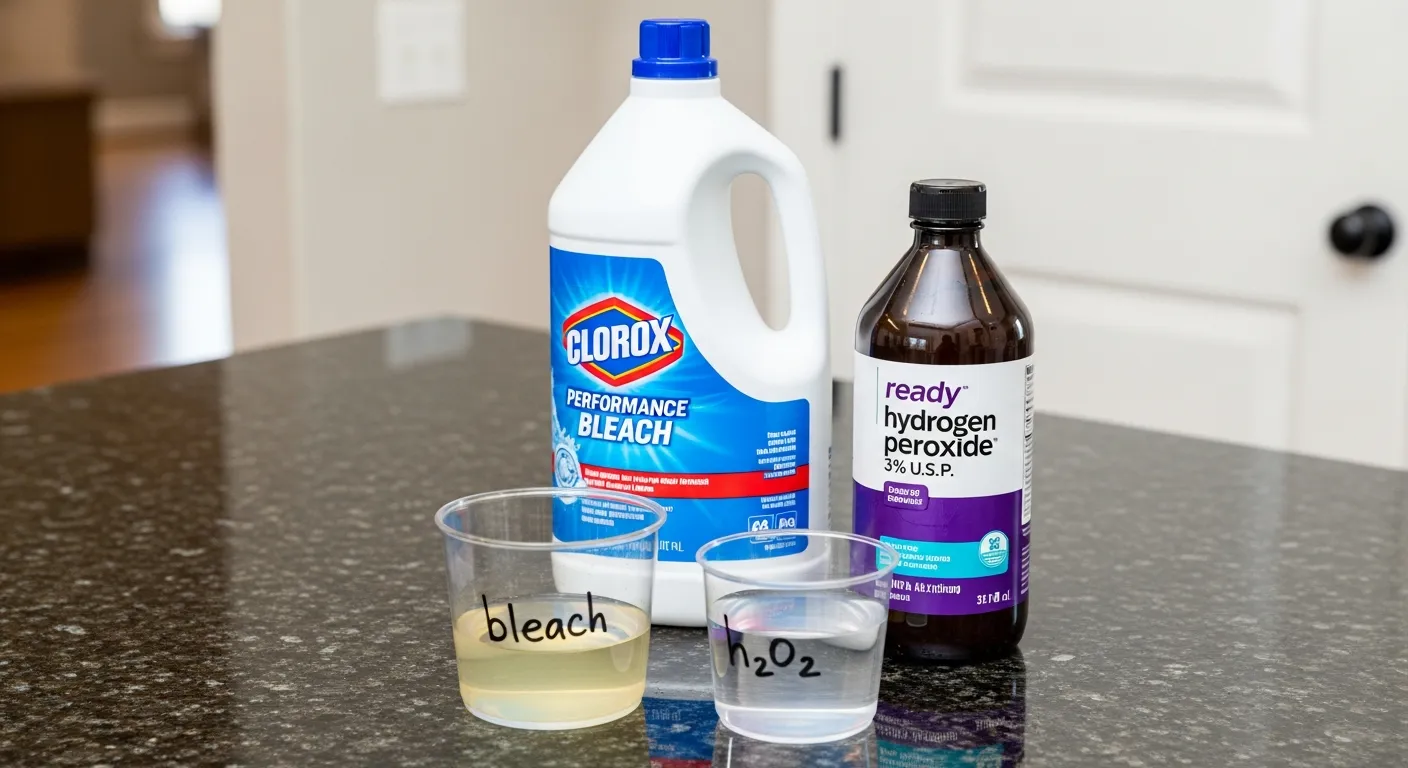
Bleach, ammonia cleaners, abrasive powders, and strong degreasers can discolour fabrics or damage finishes. Even some general household cleaners might not be safe for certain window treatments.
Steam cleaners are also risky. The heat and moisture can damage fabric coatings, glue, and delicate parts, especially in layered roller and cellular shades.
Only use cleaning solutions and methods approved for your blinds. If you don’t have the care instructions, start with dry dusting instead of trying stronger chemicals.
Mistake #3: Scrubbing Stains or Bending the Slats
Pressing harder usually doesn’t help remove tough stains from delicate fabric. Rubbing too much can damage the weave, harm blackout coatings, or leave a worn spot after it dries.
Thin vinyl and aluminum slats can bend if you press too hard. Hold each slat with your free hand and clean gently along its length.
If a stain is still there after using an approved cleaning method, stop before you cause more damage. Some materials can be professionally cleaned, but if there’s permanent discoloration or coating damage, you may need to replace the window covering.
Mistake #4: Rolling Up Shades Before They Are Dry
After spot cleaning a roller or zebra shade, keep it fully extended until the fabric is completely dry.
Rolling up damp fabric traps moisture between the layers, which can contribute to water marks, unpleasant odours, and microbial growth if the material remains wet.
Before raising the shade, check that the fabric, bottom rail, and accessible hardware are dry. If moisture repeatedly accumulates around the window, investigate the source instead of letting the covering stay damp between cleaning sessions.
How Often Should You Clean Window Blinds?
A simple cleaning routine keeps dust and residue from getting harder to remove. For most homes, dust blinds every week or two and check for stains or buildup during seasonal cleaning.
Kitchen blinds may need more frequent cleaning, especially near the stove where grease collects. Check bathroom blinds regularly for condensation, and if you have pets or open windows a lot, you may need to dust more often.
During seasonal cleaning, inspect the fabric, slats, cords, and operating mechanism. Look for wear that routine cleaning can't fix, such as cracked slats, damaged fabric coatings, warped wooden blinds, or shades that no longer raise and lower smoothly.
Persistent stains alone do not necessarily mean your blinds need replacing. However, if cleaning leaves permanent discolouration, the fabric has lost its shape, or the operating mechanism is damaged, repair or replacement may be more practical.
Before buying new window coverings, think about why the old ones wore out. If moisture keeps ruining wooden blinds in your bathroom or cooking residue makes kitchen shades hard to clean, picking a better material can make cleaning much easier next time.