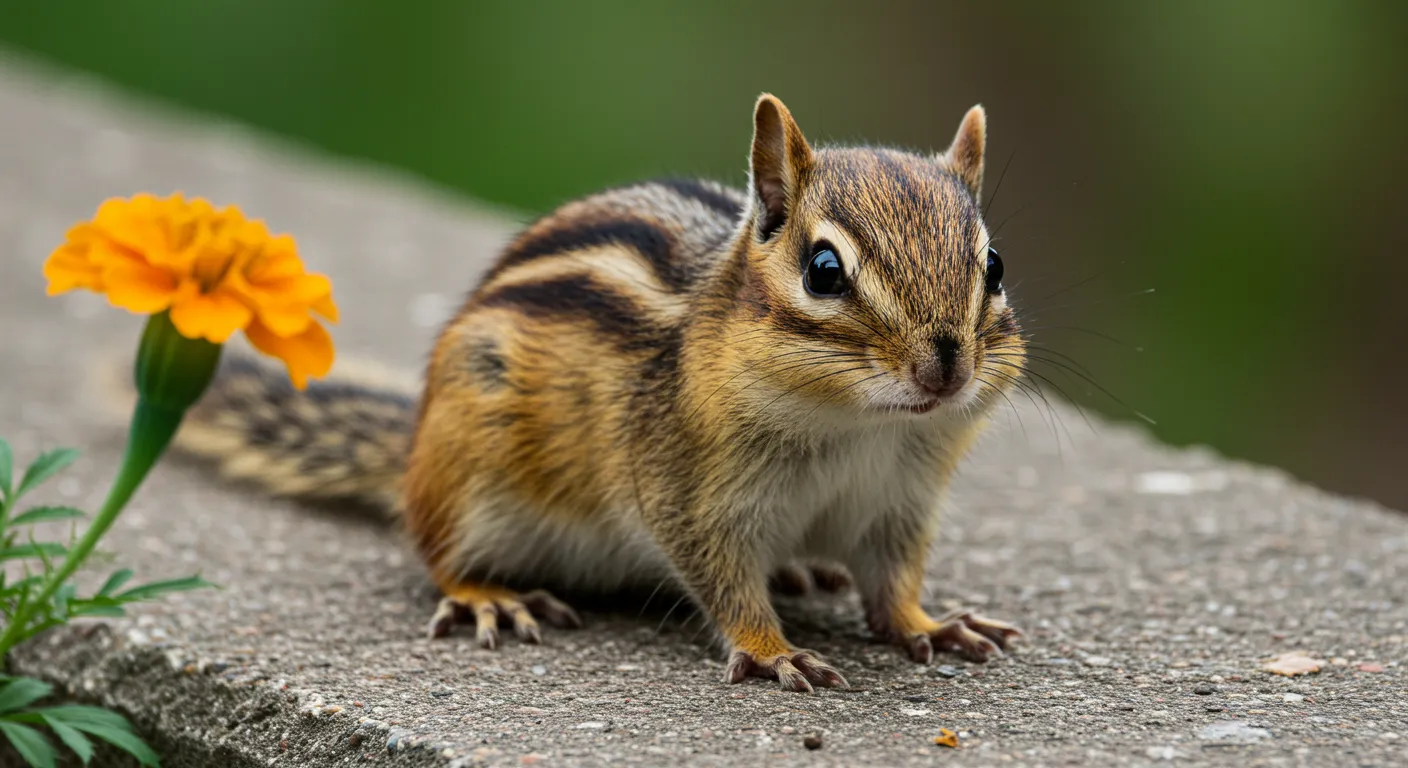
It can be annoying to see chipmunks in the outdoor space as they create a blunder by either eating plants or digging holes in the yard. They may seem cute, but chipmunks often become a nuisance for homeowners.
This leads to another question! What is the safe and secure way to repel a chipmunk using household items? To address this concern, vinegar is considered one of the most effective solutions to repel chipmunks from the garden and yard area.
How Does Vinegar Repel Chipmunks?
This blog briefly explains the use of vinegar to repel chipmunks and outlines the effective methods of using vinegar to attain satisfactory results.
Can Apple Cider Vinegar Repel Chipmunks?
Yes, apple cider vinegar is used for repelling chipmunks. It is one of the natural and budget-friendly options for homeowners as it is easily available in the kitchen pantry.
Here are some of the major reasons that explain why homeowners should choose vinegar as an effective solution for repelling chipmunks:
-
Vinegar is one of the safest solutions that does not harm the environment, pets, or kids in the house, unlike regular chemical pesticides.
-
Since chipmunks have a strong sense of smell, they easily get overwhelmed by the strong and pungent smell of vinegar. This helps in disturbing their ability to detect food, forcing them to leave the area.
-
Similar to the human nose, the presence of acidity in vinegar causes irritation in the nostrils and sinuses. This makes it uncomfortable for chipmunks to breathe in the air.
4 Different Ways of Using Vinegar to Repel Chipmunks
Vinegar Soaked Cotton Balls

Take small cotton balls, soak them in vinegar, and put them directly into the visible chipmunk holes. Make sure to check new ground entrances in your yard. If you find new burrows, repeat the process with fresh vinegar-soaked cotton balls.
It is important to remember that the odor of vinegar fades away over time. Therefore, either refresh cotton balls placed there with drops of vinegar or just replace them with new ones.
Make a Barrier With Vinegar at Places Where Chipmunks Are Found

Chipmunks may cause problems around your home, flower beds, and vegetable garden. Instead of applying vinegar directly to plants or soil, you can place vinegar-soaked cotton balls near areas where chipmunks are repeatedly observed.
For additional wildlife-management ideas, it is useful to understand how different animals respond to garden conditions. For example, learning about what plants attract snakes can help homeowners better understand how vegetation, shelter, and food sources influence wildlife activity.
Chipmunks may also enter sheds, garages, or other structures, so inspect potential entry points and seal appropriate gaps after confirming that no animal is trapped inside.
Pour Drops of Vinegar Into Chipmunk's Burrows

One of the major ways of driving chipmunks away is by pouring undiluted vinegar directly into their burrows. This solution consists of a strong, pungent odor that forces the chipmunks to exit their holes quickly. However, it is important to remember that vinegar often works as a natural weed killer, which can cause harm to plant roots. Therefore, carefully pour vinegar drops by avoiding any damage to grass or plants.
Make a Vinegar Spray Bottle to Keep the Chipmunks Away

Vinegar's strong smell may temporarily discourage chipmunks from certain areas, but it should not be considered a guaranteed repellent. If you choose to use a diluted vinegar solution, avoid spraying it directly on desirable plants because repeated exposure can cause foliage damage.
It is also important to avoid assuming that every household remedy works equally well against different pests. For example, homeowners researching garden insects may also wonder what insects does cinnamon attract, but individual scents and natural substances should not be treated as universal pest-control solutions.
For longer-term chipmunk prevention, focus on removing accessible food, securing birdseed, cleaning up fallen fruit, reducing shelter around structures, and blocking appropriate entry points.
To Conclude!
Chipmunks may look harmless, but repeated digging, feeding, and nesting activity can become frustrating for homeowners. Vinegar may provide a temporary odor-based deterrent in some situations, but it is not a guaranteed way to remove chipmunks from a property.
A better approach is to combine habitat management with appropriate exclusion methods. For example, keeping gardens clean and reducing places where wildlife can hide may help discourage repeated activity.
If you are also dealing with other garden pests, you may find related guides on how to get rid of clover mites on plants and how to get rid of ground bees useful for understanding pest-specific control methods.
It is also important to distinguish between different pests before using a home remedy. For example, advice about will vinegar kill cicada killers should not automatically be applied to chipmunks or other wildlife.
If chipmunks continue to cause significant damage or enter structures, consider contacting a qualified wildlife-control professional for species-appropriate and humane management.