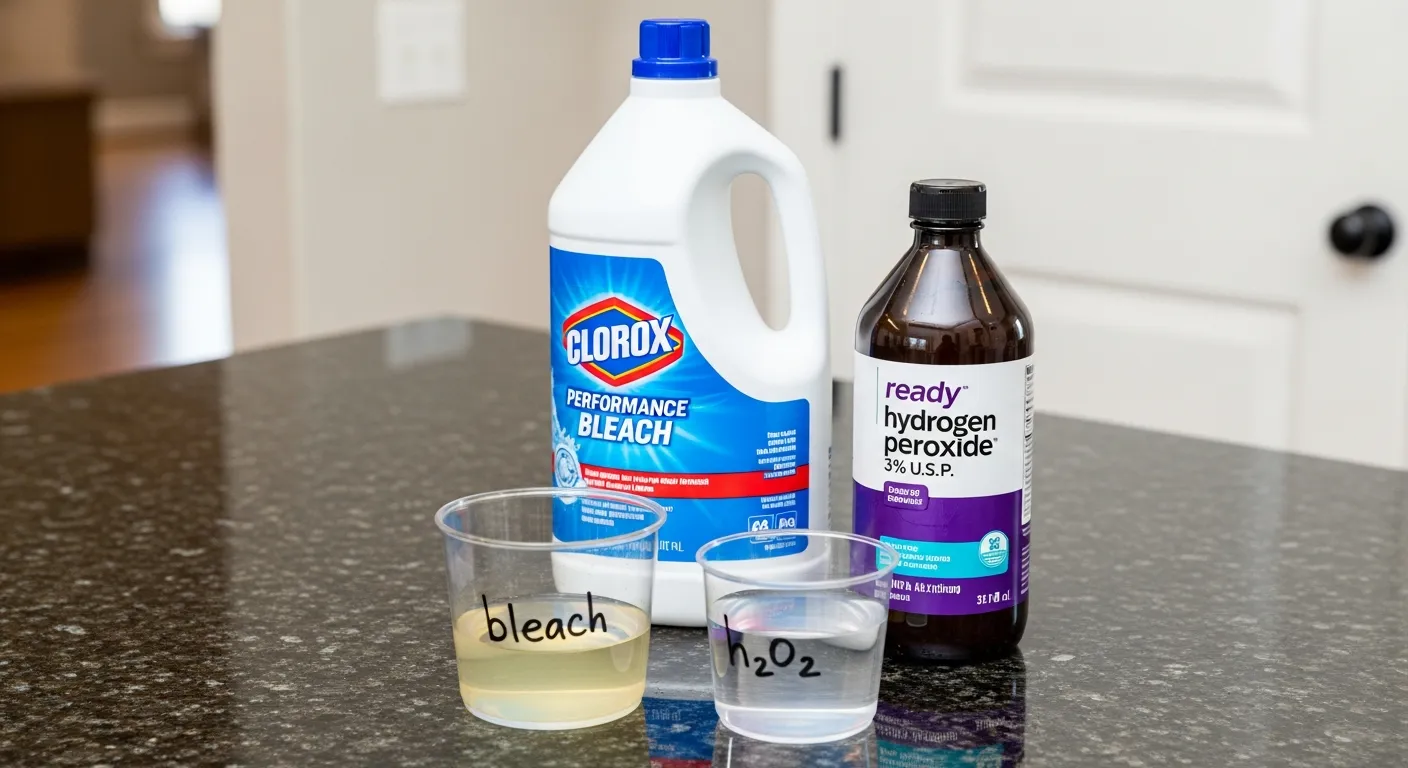
If you see mouse droppings around your home, don’t ignore them. For homeowners and renters wondering, does vinegar disinfect mouse poop, the short answer is: vinegar can disinfect mouse droppings to some extent because it can kill some bacteria, including E. Coli and Salmonella, but there is no clear evidence that it kills viruses linked to mouse waste, so it is not the best choice for serious infestations or higher health risks.
These droppings often show up in unexpected places like kitchen cabinets, under furniture, on carpets, and in attics. They may look like small black or brown grains, but mouse droppings can spread harmful bacteria and viruses that put your household at risk. This guide explains how to safely clean mouse droppings, how to use vinegar as a disinfectant and what precautions to take, plus when to use stronger alternative disinfectants and where vinegar falls short.
Precautionary Steps Before Cleaning Mouse Droppings
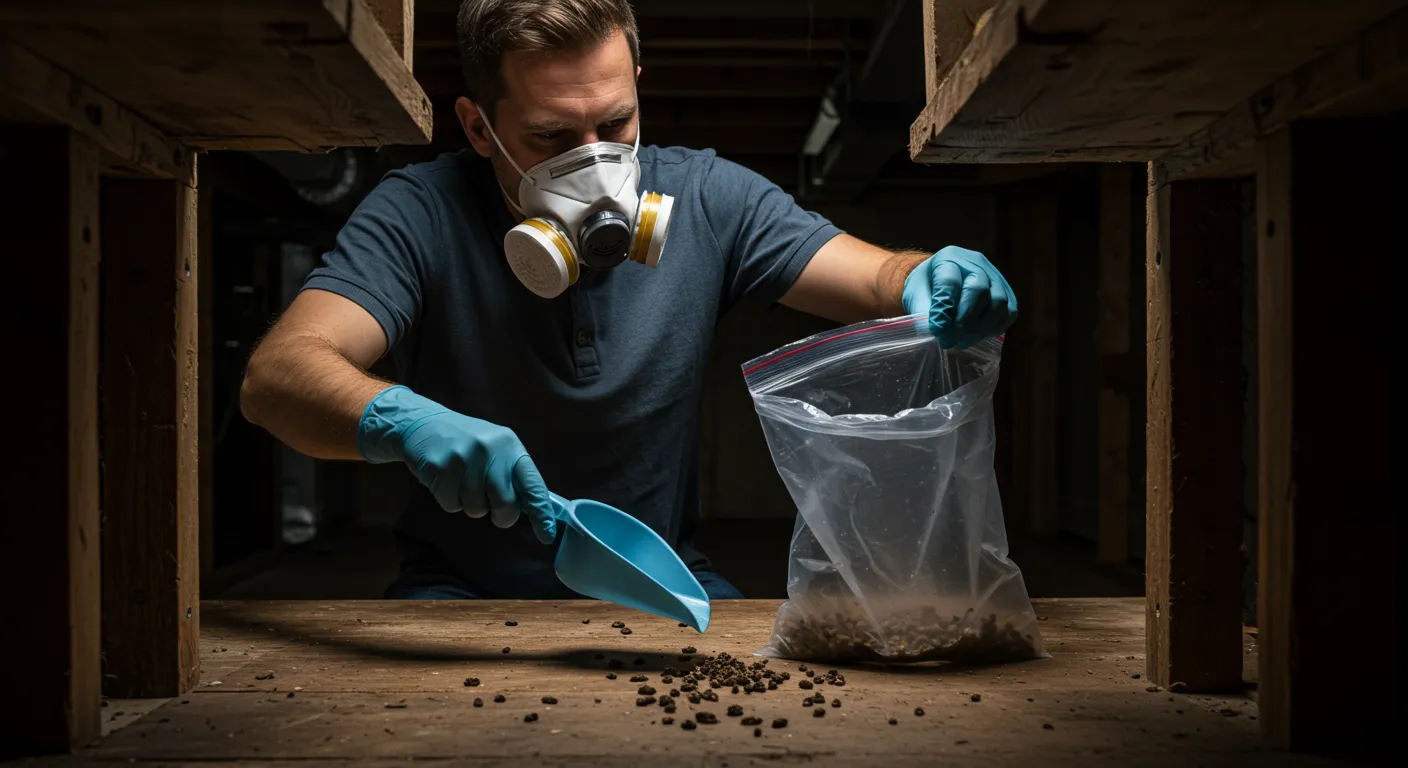
Here are some steps you should follow to prevent infection while cleaning mouse droppings:
1. Ensure Proper Ventilation
Remember to ventilate the room by opening all the windows and doors at least thirty minutes before cleaning. The ventilation will reduce the harmful effects and density of the particles that arise during cleaning.
2. Always Wear Gloves
It is important to protect your hands from bacteria during the cleaning process, especially if you have a cut where the bacteria can enter your body, and you should never clean contaminated areas with your bare hands. You can wear rubber, latex, vinyl, or disposable gloves.
3. Don't Disturb the Rat Urine and Droppings
Do not sweep or use a vacuum cleaner on rat urine or dry droppings, since that can spread hantavirus and contaminate other surfaces. To safely clean the mouse droppings, first spray enough disinfectant to keep the surface wet and wait for at least 5 minutes, then use paper towels to carefully wipe it up.
4. Use a Plastic Bag to Seal the Droppings
Use paper towels to remove droppings and any rodent urine, then place the waste in a sealed plastic bag to keep contaminated air from escaping. Throw the bag in a trash can with a lid for proper disposal.
5. Disinfect Carpet and Upholstery, and Wash Beddings/Clothes
Disinfect any nearby hard surfaces, but give extra attention to porous materials like carpet and upholstery, which are harder to disinfect because settled particles can linger and the hantavirus is airborne. Also, wash any exposed bedding and clothes in hot water, then machine dry them on high heat. Heavily contaminated nesting materials or exposed insulation may need to be removed rather than cleaned.
6. Wash the Gloves First
Before disposing of the gloves or removing them from the hands, wash gloved hands thoroughly. After disposing of the gloves and removing gloves carefully, wash hands again with soap and warm water, then pat them dry.
7. Double the Bag for Dead Mice
If you find dead rodents, spray the disinfectant and let it soak for about 10 minutes. Pick it up using a stick and dustpan and place the carcass in a trash bag. Put that bag in a second plastic bag before disposal.
Using White Vinegar to Clean and Disinfect Mouse Droppings
White vinegar is a natural cleaning agent that also acts as a disinfectant when needed. But before using the vinegar to clean mouse droppings, open the doors and windows, gather your cleaning supplies, and wear safety gears. This will protect you from dangerous bacteria. Once you are ready, follow these steps for cleaning and disinfecting the mouse droppings:
- Mix 1 1⁄2 cups of white vinegar with 1 gallon of water. You can adjust the amount, but remember to maintain the ratio of vinegar to water as 1:9.
- Next, pour the mixture into a spray bottle for ease.
- Spray the droppings with the vinegar solution and let it sit undisturbed for at least five minutes to make it soak completely.
- After the droppings loosen up, use a paper towel to pick them.
- Put the paper towel inside a sealable plastic bag and instantly throw the bag in a covered trash can outside your home.
- Then, go back to the area and respray the vinegar solution and wipe it clean; it may help clean the surface, but it is not an EPA registered disinfectant for rodent cleanup.
- After cleaning, wash your gloves thoroughly with soap and water or a disinfectant. Finally, wash your hands after disposing of the gloves.
| Warning | Don't use this solution on natural stones, as vinegar is acidic in nature. It can damage the stones. |
How to Use Vinegar on Carpets?
You can clean the carpet after removing the mouse droppings using vinegar in combination with steam:
-
Mix three parts of water with one part of vinegar.
-
Steam clean normally with a steam cleaner. As the machine heats up, it will create a mist of steam from the vinegar solution that will clean the carpet.
-
Air-dry the carpet.
The heat from steam will also kill bacteria, mold, and fungus present in the carpet's fiber.
Other Alternatives to Cleaning Mouse Droppings
1. Pathogen Control Disinfectants
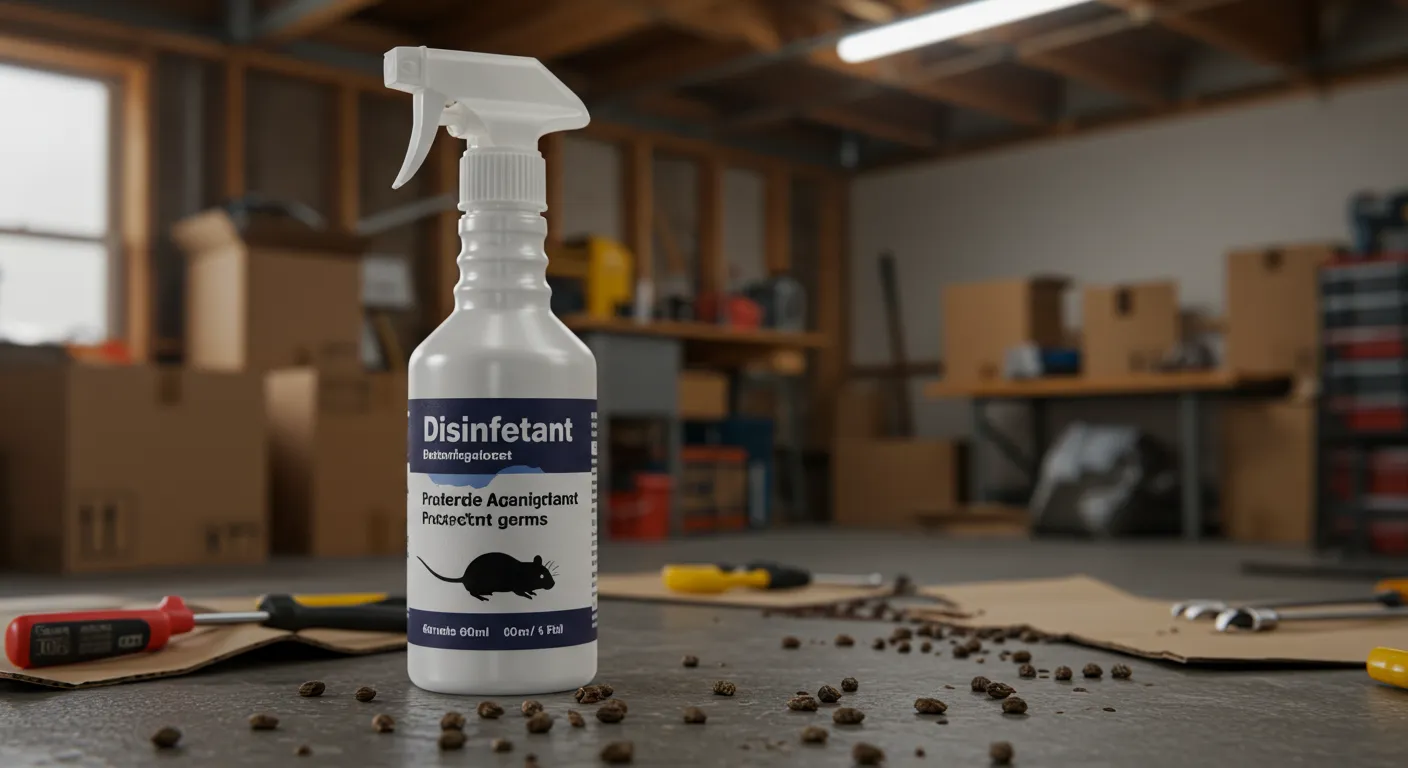
It's a good idea to use an epa registered disinfectant made for rodent droppings and rodent urine cleanup. The CDC recommends using an EPA-registered household disinfectant for rodent cleanup. These are designed to work effectively against bacteria, viruses, and other harmful microorganisms found in rodent waste. Check the product label and follow label directions, including the required contact time, to see if it indicates protection against rodent-related germs or diseases.
2. Bleach Solutions
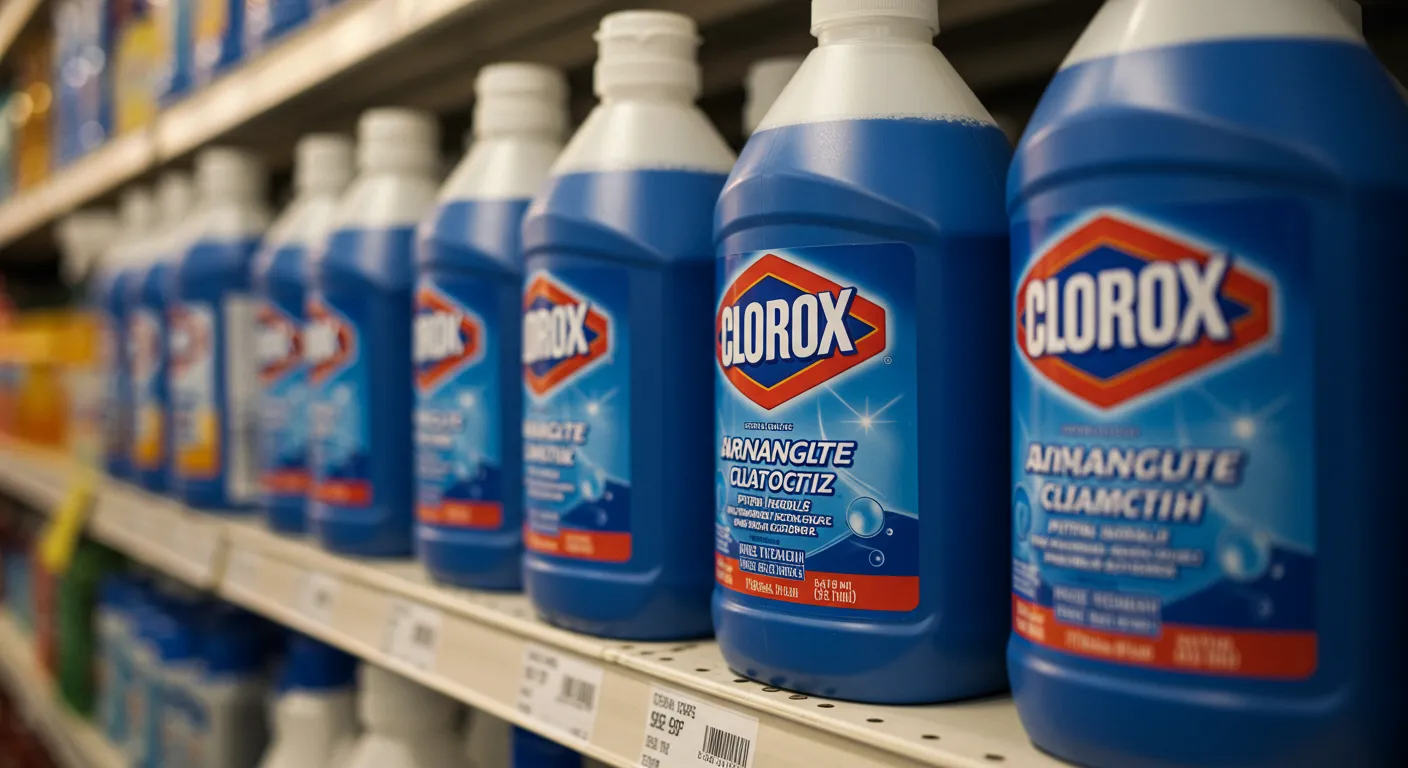
Bleach is a strong disinfectant, and household bleach can kill hantavirus on contaminated hard surfaces when mixed and used correctly. It is especially good for getting rid of strong odors that come from mouse urine and droppings. To use bleach solution, mix one part bleach with nine parts water, then keep the surface wet for the product’s contact time before wiping or air drying.
Be cautious while using the bleach, as it can cause discoloration and damage to certain surfaces. It's better to test it on some other area before using it on a larger surface.
3. Hydrogen Peroxide
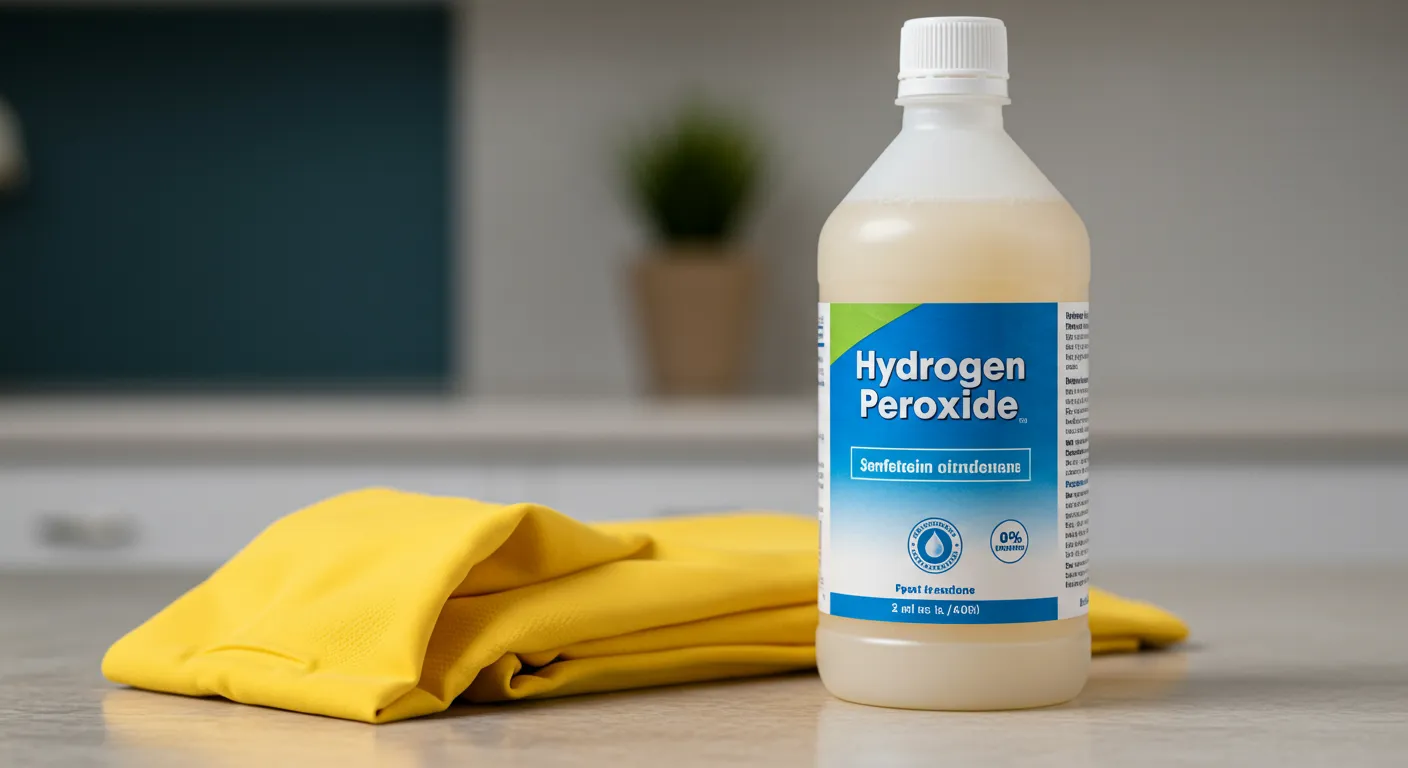
Hydrogen peroxide is another useful and effective disinfectant to kill pathogens. You can apply it directly on the surface or dilute it with water, depending on its concentration. Though hydrogen peroxide is safe to use on most surfaces, it's always better to do a spot test beforehand.
4. Commercial Disinfectant Sprays
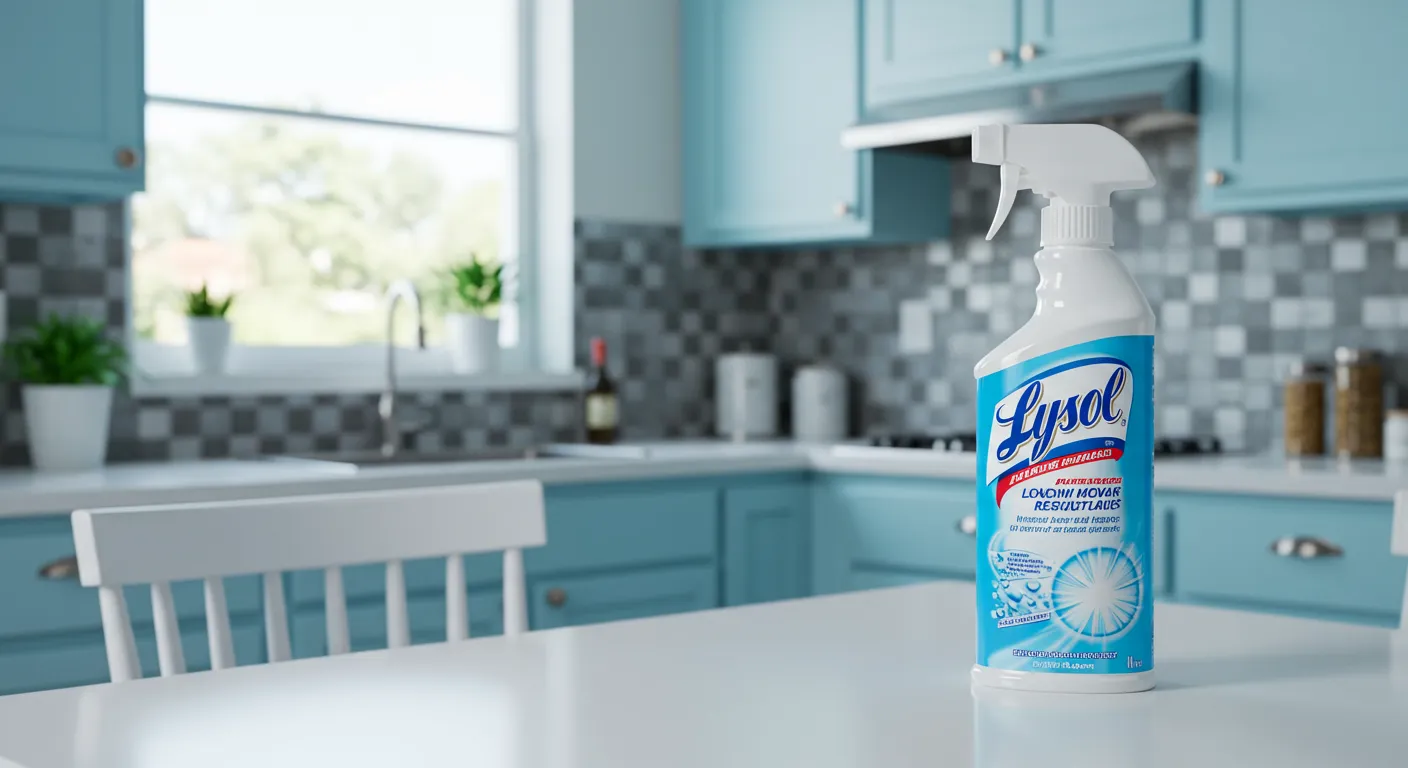
There are some commercial disinfectant sprays that are specially designed for rodent-related issues. Some sprays are intended for hard surfaces after rodent droppings are removed, using active ingredients that target the pathogens in rodent waste. For proper and safe use, follow label directions so the surface stays wet for the full contact time.
Disinfecting Different Areas
Items like bedding, clothing, or stuffed toys, if contaminated, can usually be cleaned in a washing machine; wash anything visibly soiled first, but heavily contaminated porous materials may need to be thrown away instead of laundered. After cleaning, let the machine dry these items at a high setting or hang the items to air dry in the sun.
For objects like books, papers, or any other item that cannot be washed or cleaned with a liquid disinfectant, leave them outside in the sunlight. Because items like books and paper are harder to disinfect, isolate them indoors in a rodent-free area for at least three weeks. It is recommended to leave them for about six weeks.
Does Vinegar Have Limitations?
Vinegar is a good disinfecting agent, but it has some limitations. It can kill viruses like E. Coli, Salmonella, and Listeria, but there's no evidence that it can kill viruses that are spread by mouse droppings. Therefore, vinegar is not the best option for a heavy rodent infestation, recurring rodent activity, or serious health risks. If you find nesting materials, dead rodents, or contamination in hidden areas, call pest control; in shared buildings, you can also contact your local health department for guidance. It is recommended to use commercial disinfectants specially designed to get rid of mouse droppings. After cleanup, seal gaps to help prevent future infestations.