Cleanliness is on the A-list for everyone. There are several cleaning products, such as Pine-Sol, that work as disinfectants, leaving a subtle, pleasant scent. As suggested by the EPA, there are several ways to use Pine-Sol, and recently, homeowners have wondered if they can combine it with vinegar for enhanced cleaning or disinfecting.
Vinegar is also a great disinfectant and cleaning agent, as it can cut through grime and grease, too. But can it be used with Pine-Sol? Let’s find out if mixing vinegar and Pine-Sol can be a good idea.
What Are the Ingredients of Pine-Sol?
Here are the ingredients of Pine-Sol -
- Colorant
- Surfactant
- Citric acid
- Fragrance
- Preservatives
- Xanthan gum
- C10-12 alcohol ethoxylates
- Sodium secondary C13-18 alkyl sulfonate
These ingredients are not known to have any harmful chemical reaction when mixed with vinegar.
Can You Mix Vinegar and Pine-sol Together?
Both Pine-Sol and vinegar contain acids that help cut through dust and grime, but Pine-Sol contains citric acid while vinegar contains acetic acid, and citric acid in Pine-Sol is more effective than vinegar's acetic acid for overall cleaning power.
- Vinegar uses acetic acid
- Pine-Sol uses citric acid
If you mix Pine-Sol and vinegar, they do not create toxic gases or hazardous gases, but mixing cleaners is still not recommended mixing because combining cleaning chemicals and other cleaning products can cause safety concerns due to potential fumes. Manufacturers do not recommend mixing products, and for effective cleaning each one should be used individually according to its label. Using Pine-Sol and vinegar together can reduce cleaning power because the formula balance is disrupted, which can make the two chemicals less effective. It can also leave streaks, a dull film, sticky residue, or unpleasant odors on surfaces.
How to Use Pine-Sol and Vinegar Safely and Effectively?
The best way to use Pine-Sol and vinegar safely and effectively is to use them separately. Here’s how you can do it -
Pine-Sol
- Laundry - Add ¼ cup of Pine-Sol to the detergent to wash the load. Avoid adding directly to the drum.
- Bathroom - Add Pine-Sol to the bucket of water and clean shower stalls, tiles, walls, fixtures, and other hard surfaces. We recommend testing first on a painted surface or other delicate surfaces.
- Hardwood Floors - Dilute Pine-Sol with water as directed on the label, and gently mop wood floors. Scrub off the stains and shoe marks using a toothbrush or sponge. Do not use it on worn wood, visibly worn wood, or other damaged wood surfaces.
- Kitchen - Dilute Pine-Sol with water as per the instructions, and clean the refrigerator, microwave, appliances, garbage cans, and diaper pails, but keep it off food contact surfaces.
Original Pine-Sol is an epa registered disinfectant and multi surface cleaner with deodorizing power that kills 99.9% of germs on nonporous surfaces, including staphylococcus aureus, salmonella enterica, and Influenza A of the hong kong strain, when used full strength as directed.
For tough jobs or heavily soiled surfaces, do extra cleaning first, apply with a clean sponge, and rinse immediately if the label requires it.
Vinegar
- Bathroom - Combine vinegar and baking soda for extra power to clean the gunk and dirt off the shower and tubs.
- Toilets - Pour 2-3 cups of undiluted vinegar into the toilet bowl. Allow it to rest for about 3 hours, and scrub the toilet to get rid of the rings around the bowl. It also deodorises the toilet.
- Floors - Add ½ cup of vinegar to ½ gallon of water to clean the floors. However, if you have hardwood floors, avoid using vinegar, as it can dissolve the finish of the floor. For many other hard surfaces, mixing vinegar with water creates a safe cleaning solution.
- Kitchen - Mix equal parts of water and vinegar and spray inside the appliances. It is advised only to use a microfiber cloth to wipe down the solution.
- Laundry - Use white vinegar for removing odour and stains from clothes. Use it only on white or colorfast fabrics, and avoid using it on delicate surfaces or fabrics unless the care label allows it.
What Can You Mix With Vinegar?
List of Materials Required:
- Dishwashing liquid
- Cleaning vinegar
- Measuring cups and spoons
- Spray bottles
- Labels
- Baking soda
Here's what to mix vinegar with - dish soap makes an effective all-purpose cleaner, and essential oils can improve the scent while citrus peels steeped in white vinegar make it smell fresher.
Vinegar + Dishwasher Liquid
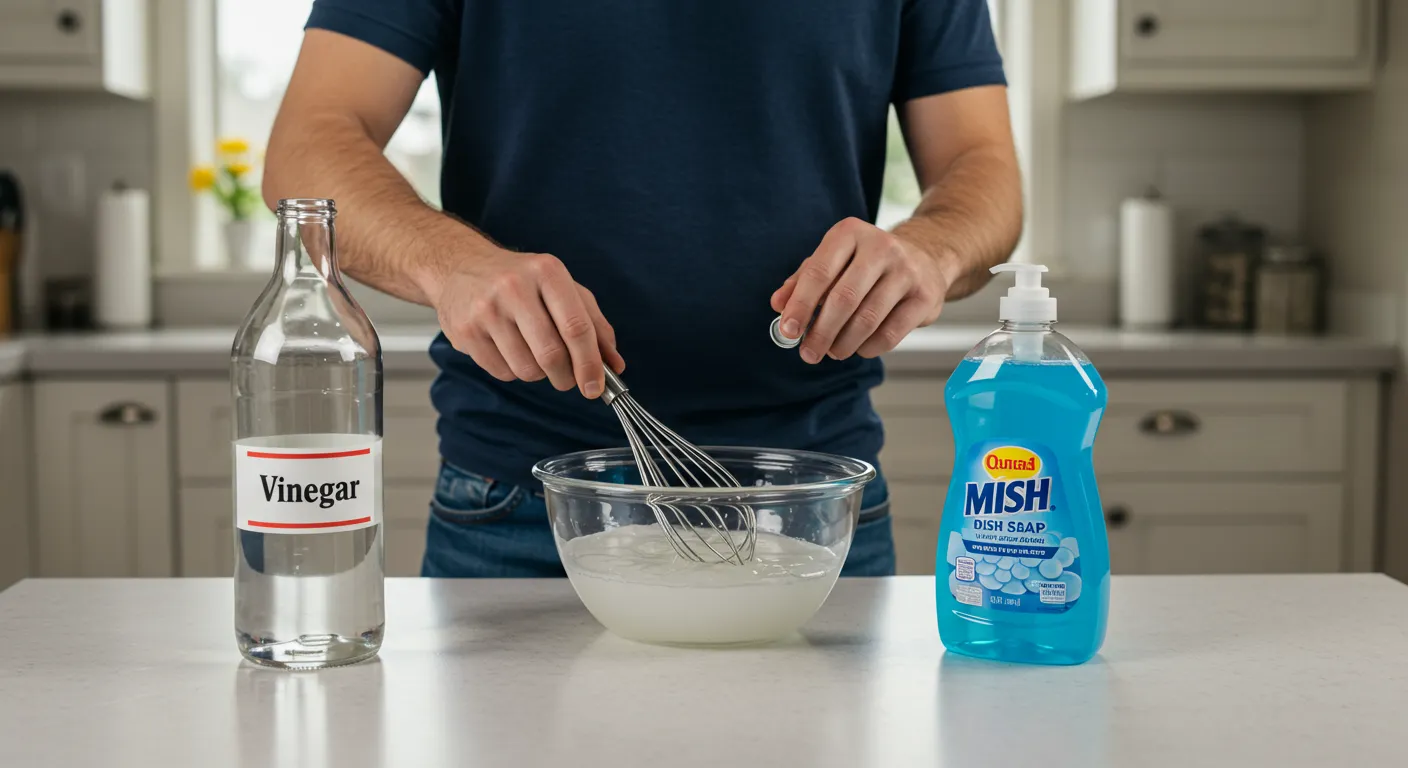
You can use vinegar and dishwashing liquid to clean windows, counters, kitchen fixtures, etc. To make the mixture -
- Mix ¼ cup cleaning vinegar with 2½ cups of water in a spray bottle.
- Add ½ tablespoon of dishwashing liquid.
- Shake well and spray on the surface.
- Wipe it away with a lint-free cloth.
Vinegar + Baking Soda
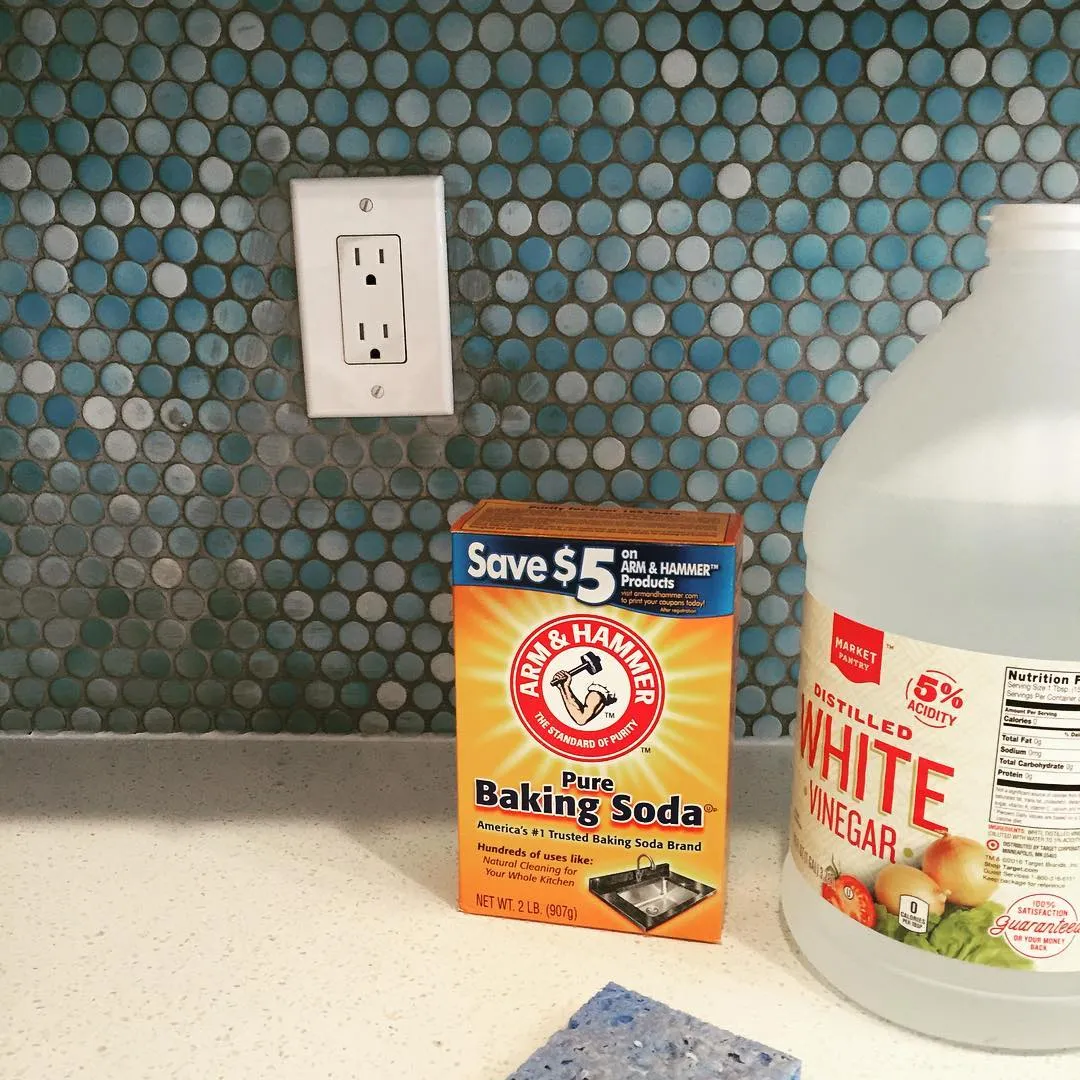
You can use vinegar and baking soda to clean drains and pipes. This mixture cleans up the scum buildup in the pipes. This mixture also helps remove garbage odour. Here’s how you can make it -
- Pour 4 cups of hot water down the drain.
- Add 1 cup of baking soda and 1 cup of cleaning vinegar.
- Bubbles and fizz will form, and once the bubbles stop, flush the drains.
Vinegar + Rubbing Alcohol
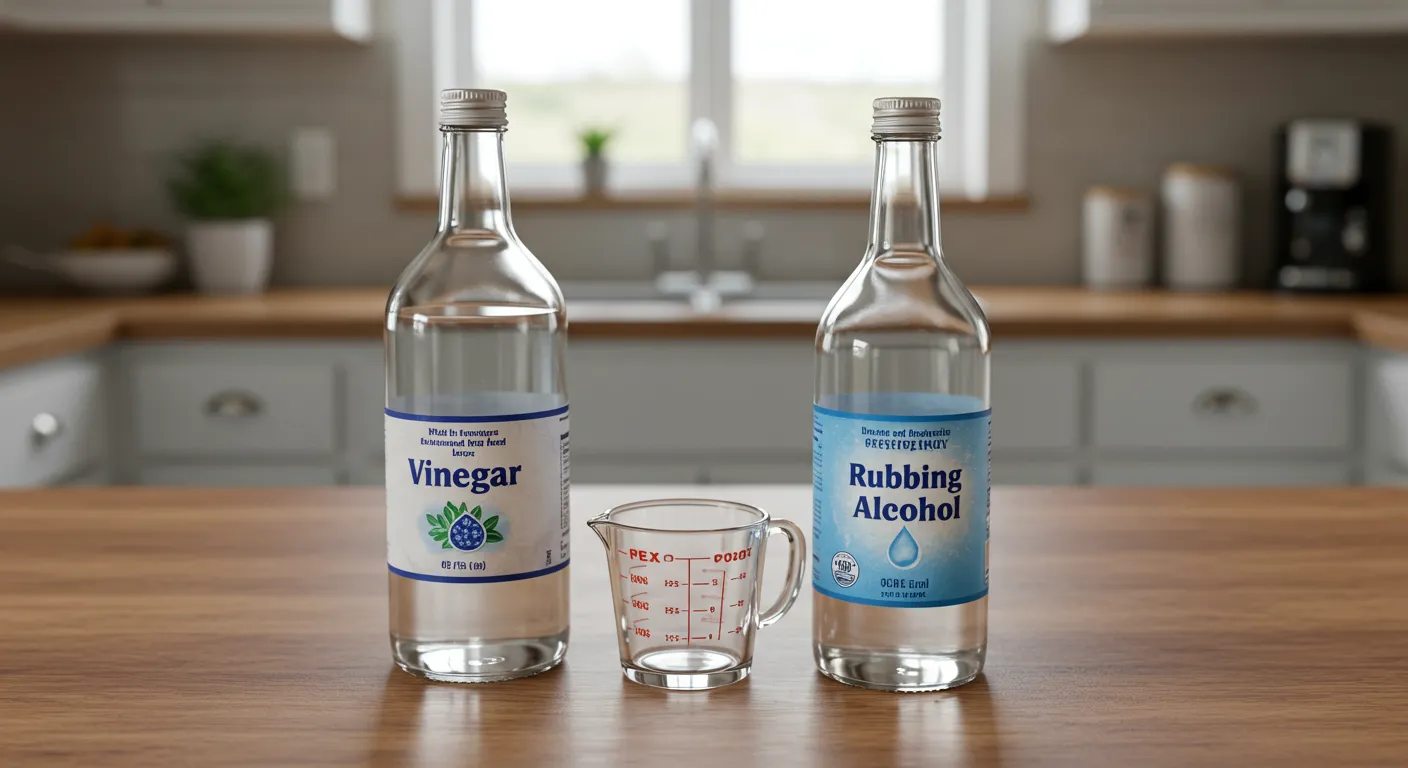
You can clean glass window panes, countertops, tables, etc. Here’s how you can make the mixture -
- Mix 2 cups of water with 2 tablespoons of vinegar and 2 tablespoons of rubbing alcohol.
- Add 5 drops of peppermint essential oil.
- Mix it well and spray onto a microfiber cloth, and then clean the surface.
Conclusion
Pine-Sol and vinegar should not be mixed because it reduces cleaning effectiveness, even though it does not create toxic gases. Use them separately for better results. For cleaner safety, the general rule is to keep chemicals separate and use each product according to its label.